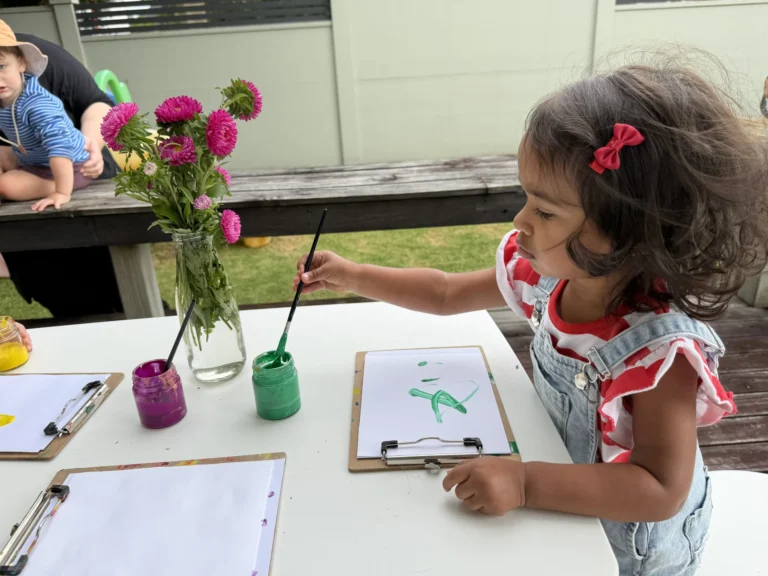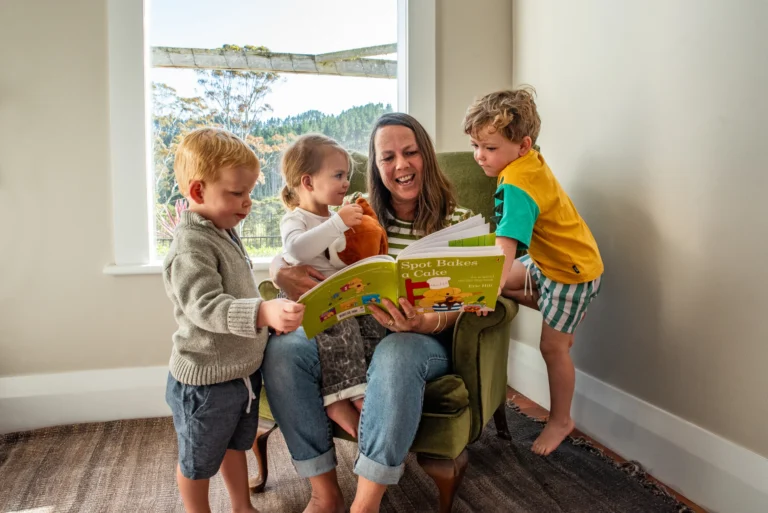
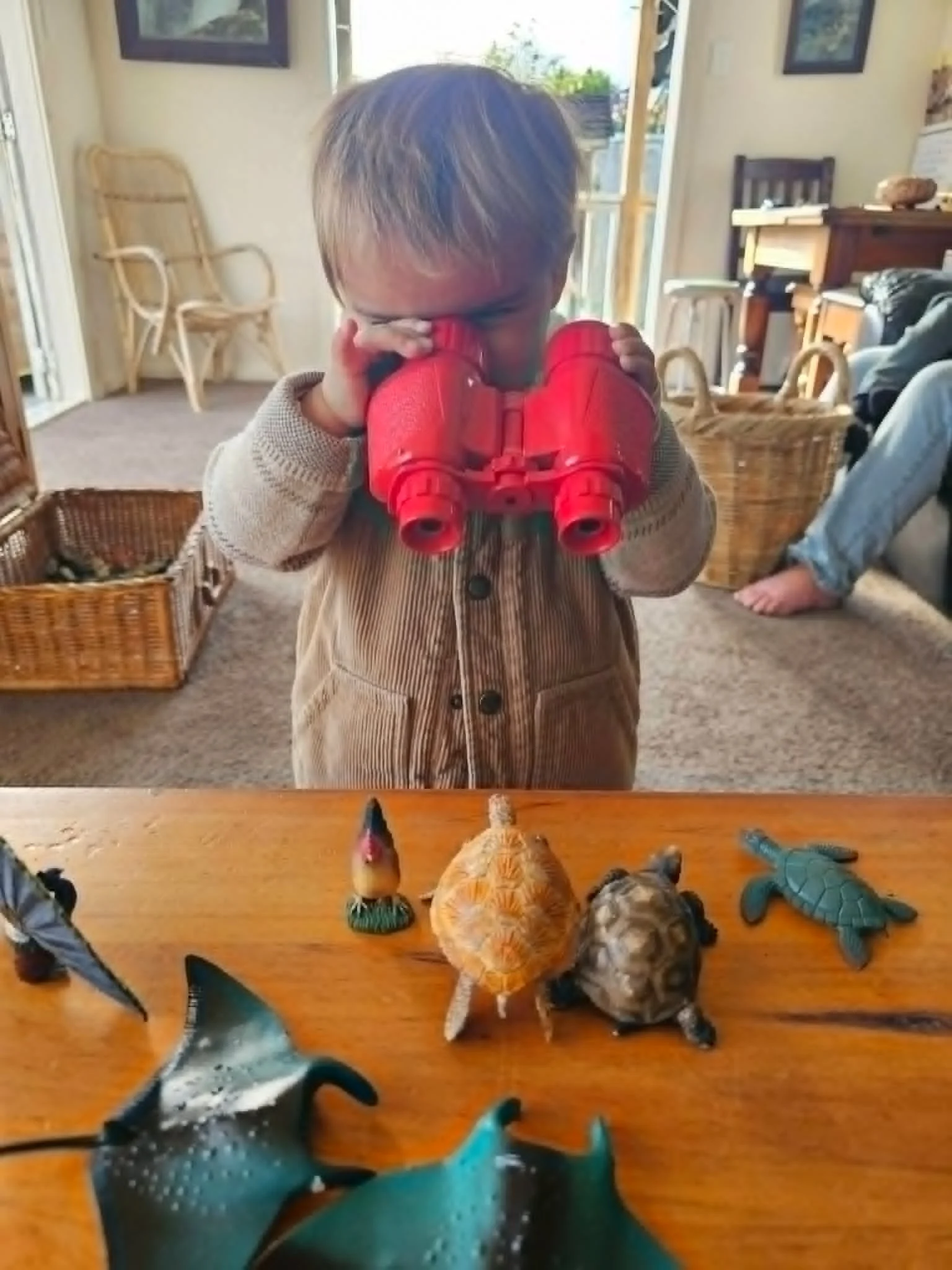
Simply put, learning dispositions are the habits of mind that help children become confident, curious learners. Think: persistence, creativity, confidence, curiosity, collaboration, and resilience. These aren’t things you teach. They’re things that develop when children feel safe to explore, question, and try again.
And they flourish at home.
Why Home-based is the perfect space
In a busy centre, learning happens on a timetable. At home, it happens because your child is ready. When there’s no pressure to move on to the next activity, when an adult has time to really listen to questions, when your child can spend an hour on one thing they’re genuinely interested in, that’s when dispositions grow.
Your toddler keeps trying that puzzle. Your preschooler notices a pattern and asks “why?” Your child wants to help with cooking, even though it’s slower. These aren’t interruptions to learning. This IS learning happening.
What the research actually says
Here’s what’s interesting: studies show children with strong learning dispositions do better in formal schooling later. Not because they knew their letters early, but because they know how to learn.
They ask questions. They don’t give up when things are hard. They see themselves as capable.
Nurtured at Home Educators are paying attention to this shift. Because dispositions matter more than early academics.
For Teachers considering Home-Based Education
If you’re passionate about how children learn not just what they learn then home-based education could be exactly where your expertise shines brightest.
The conditions that build strong dispositions are built into home-based by design: flexibility, real relationships, meaningful contribution, time for depth.
It’s worth reflecting on where your teaching gifts might make the biggest impact.
For Parents
You don’t need fancy equipment or structured lessons. You just need to:
Listen. Really listen when your child asks questions.
Slow down. Let them struggle a bit before jumping in to help.
Trust the process. Their play, their curiosity, their explorations are learning.
Be present. One-on-one attention builds confidence like nothing else.
And that’s it! You’re already nurturing learning dispositions in the everyday moments at home.