When we think about teaching, we often focus on the experiences we intentionally plan and the relationships we build with children, however, there is another important aspect that we shouldn’t overlook…the environment itself. Within early childhood education, the environment is often referred to as the “third teacher.” This concept comes from the Reggio Emilia approach. This idea is that the environment is seen as an active partner in children’s learning. Rather than simply being the place where learning happens, the environment invites exploration, sparks curiosity, encourages independence, and supports meaningful learning experiences.
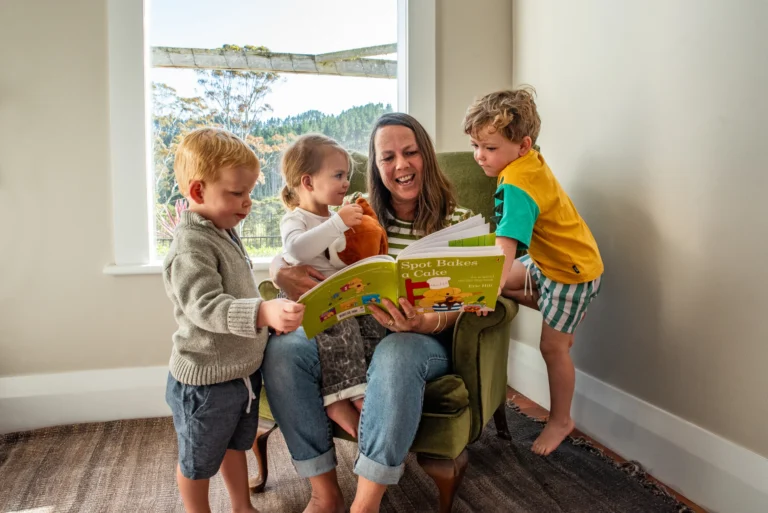
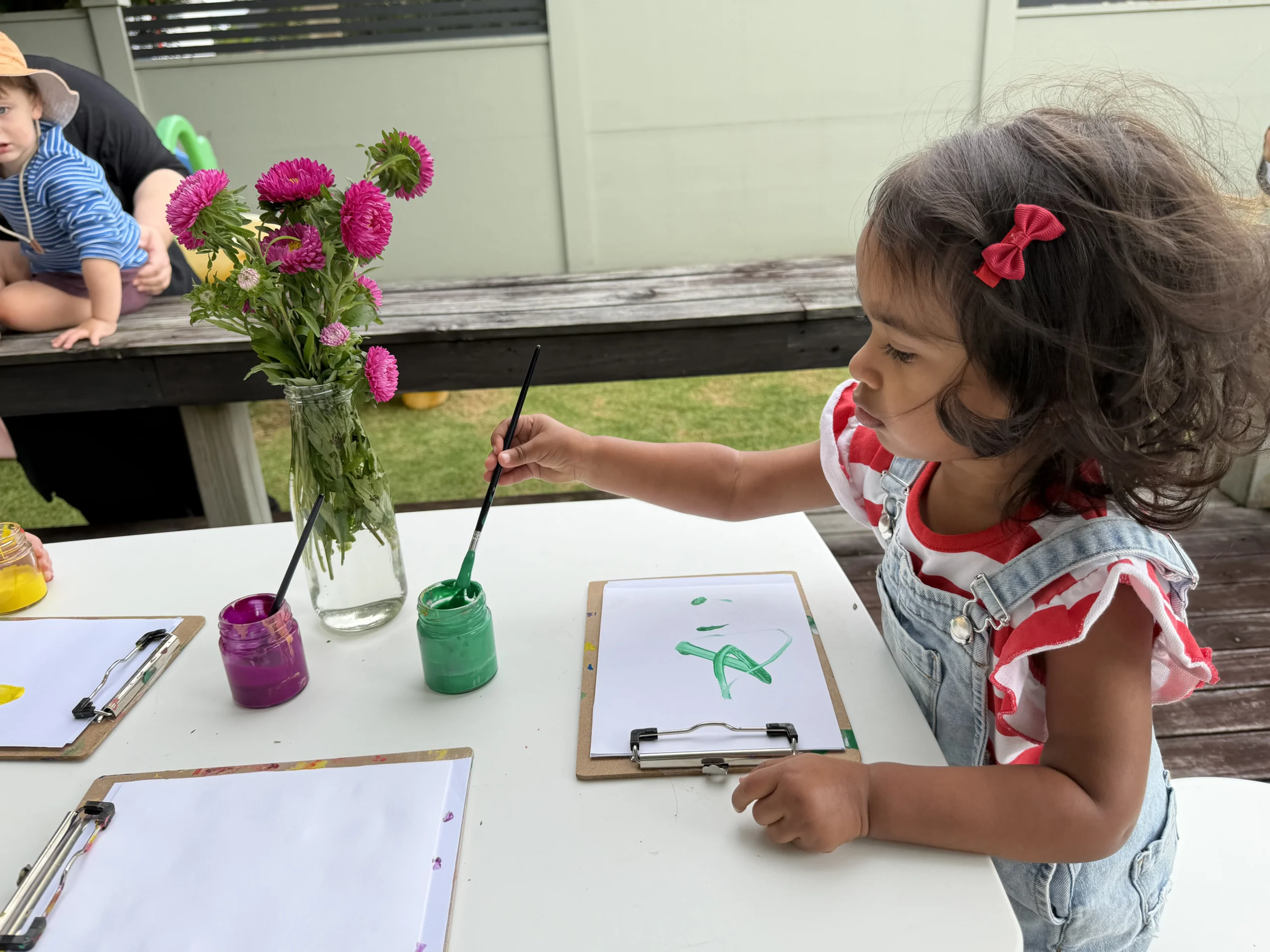
In homebased, the learning environment is uniquely positioned to nurture authentic, everyday learning. From cosy reading corners to open-ended play spaces to kitchens, gardens, and outdoor areas, every space has the potential to inspire discovery. By thoughtfully designing and adapting our environments, we create places where tamariki feel safe, capable, and motivated to learn through play.
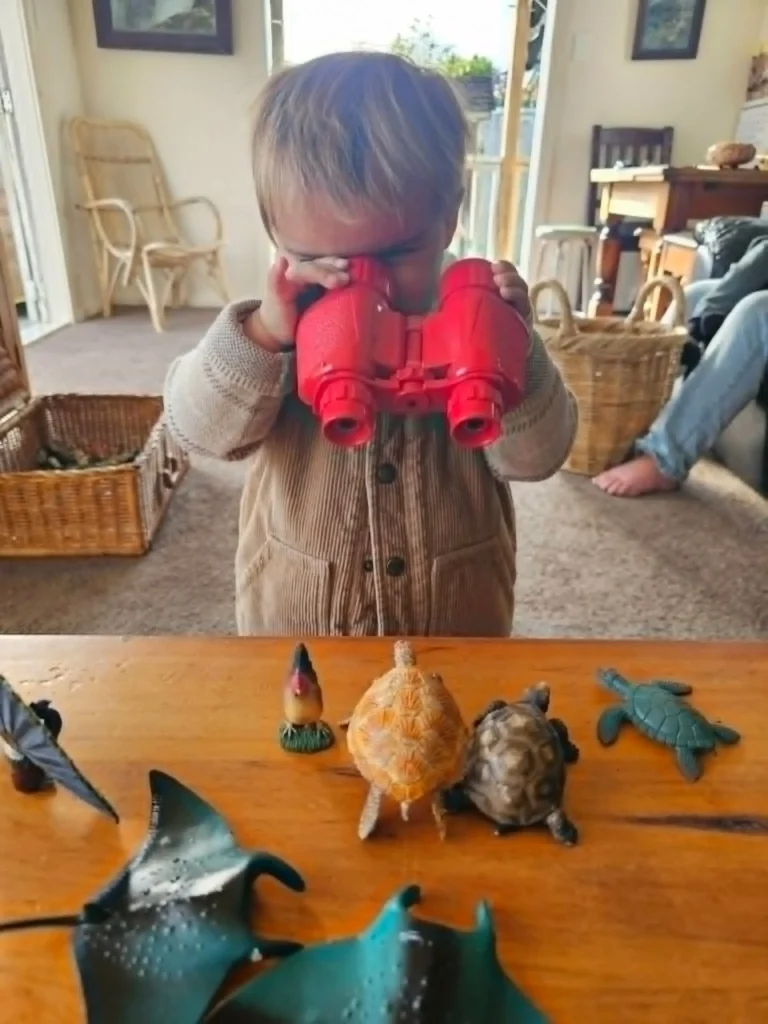
Simple changes, such as rotating resources, creating inviting play provocations, or rearranging existing spaces, can reignite children’s curiosity and encourage them to explore new interests. An intentional environment allows educators to respond to children’s emerging ideas while supporting individual learning journeys.
Natural resources and loose parts are valuable additions to any learning environment. Materials such as sticks, leaves, shells, stones, pinecones, and recycled items encourage creativity, problem-solving, and imaginative play as they can be used in countless ways. These open-ended materials also help tamariki develop a deeper appreciation for Papatūānuku by fostering respect for the natural world and encouraging sustainable practices.
An effective environment is also one that reflects the identities, cultures, languages, and interests of the children who use it. When tamariki see themselves, their whānau, and their communities represented in their surroundings, they develop a stronger sense of belonging and connection. This aligns closely with Te Whāriki, where responsive and inclusive environments support children’s wellbeing, identity, and holistic development.
When we see the environment as a “third teacher”, every space becomes an opportunity for curiosity, connection, and meaningful learning.